

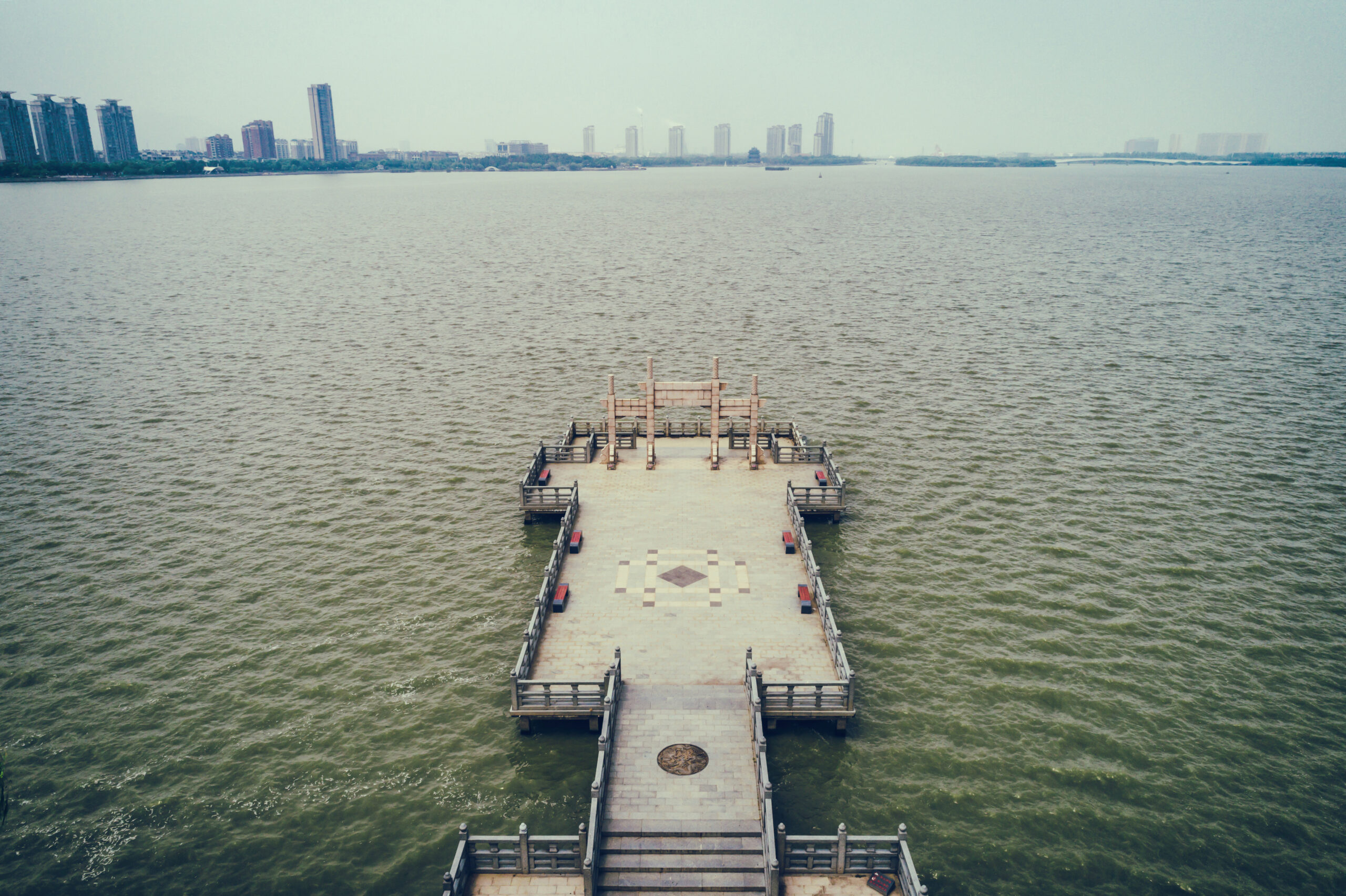
The Strait of Hormuz is a narrow waterway connecting the Persian Gulf to international waters, through which roughly 20% of the world’s oil supply flows. This makes it indispensable not only to major oil exporters such as Saudi Arabia, Iraq, and the United Arab Emirates, but also to energy-importing regions across Asia and Europe. Since the outbreak of the Iran war in early 2026, however, this vital corridor has faced unprecedented disruption. Military strikes, retaliatory attacks, and threats to shipping have sharply reduced tanker traffic, at one point cutting transit volumes by as much as 70% and effectively halting movement altogether.
Historically, the strait’s vulnerability has been clear. During the Iran–Iraq War, particularly in the “Tanker War” phase, both sides targeted oil shipments, damaging vessels and prompting international naval interventions to secure the route. Since then, repeated tensions including threats to close the strait and the seizure of tankers have reinforced its status as a critical geopolitical pressure point.
What makes the current crisis distinct is its scale and immediacy. Disruptions are not hypothetical but active, with shipping delays, reduced tanker movement, and heightened security risks already constraining global supply flows. In an energy system still heavily dependent on stable oil transit, the Strait of Hormuz once again demonstrates how a single chokepoint can shape trade, pricing, and energy security worldwide.
The immediate consequence has been a severe supply shock in global oil markets. Prices surged rapidly, with benchmark crude exceeding $100 per barrel and, at peak levels, reaching over $120. More recent estimates suggest that the scale of disruption may surpass previous major energy crises, including those of the 1970s and even the 2022 energy shock linked to the Russia–Ukraine conflict. This volatility underscores how deeply global energy systems remain tied to a handful of strategic transit routes.
Beyond price increases, the crisis has exposed structural vulnerabilities in global energy trade. The concentration of supply through a single maritime chokepoint creates systemic risk, where geopolitical instability can quickly translate into economic disruption. Indeed, tanker traffic through the Strait of Hormuz plunged by more than 90% following the outbreak of hostilities, with major carriers suspending transits as insurers sharply repriced war‑risk coverage and war‑risk premiums rose by multiple factors. In response, shipping companies have suspended operations, freight rates have climbed, and hundreds of vessels remain stranded or rerouted, unable to safely navigate the region. Even with temporary ceasefire agreements, uncertainty persists, as many operators remain hesitant to resume normal shipping without guarantees of security and clear insurance coverage.
Professor Pinar Keskinocak of the Georgia Institute of Technology emphasizes, “In complex supply chains, a disruption in one critical link, even if only briefly, can cascade through the system, well beyond the initial event,” highlighting the far-reaching consequences of chokepoint disruptions. The ripple effects of the Strait of Hormuz crisis extend beyond oil. The strait is also a critical route for liquefied natural gas (LNG), fertilizers, and other essential commodities, with about one‑fifth of global LNG exports passing through it under normal conditions. Disruptions have therefore impacted not only energy markets but also agriculture and industrial production. Fertilizer trade is particularly vulnerable: the region accounts for roughly 20% of seaborne fertilizer exports and nearly half of urea shipments making global agriculture highly sensitive to such interruptions. At the same time, manufacturing sectors reliant on stable energy inputs are facing rising costs and uncertainty, further complicating global economic recovery.
In response to these challenges, countries are increasingly re-evaluating their energy strategies. For major importers in Asia, the crisis has accelerated efforts to diversify supply sources and build strategic reserves. China and India, for example, have collectively increased strategic petroleum reserves by over 150 million barrels since the onset of the conflict, while emergency measures such as fuel rationing and efficiency policies have been implemented in several high-demand regions to stabilize domestic markets. Similarly, European nations are intensifying investments in renewable energy and alternative supply routes; the European Commission reports that the EU plans to increase LNG import capacity by 45 billion cubic meters per year by 2030 to reduce reliance on politically volatile regions.
On the supply side, oil-producing countries in the Gulf are also adjusting their strategies. Saudi Arabia, Iraq, and the UAE have collectively reduced exports by approximately 2 million barrels per day, while some producers are exploring alternative export routes, such as the East-West Pipeline in Saudi Arabia, which can handle up to 5 million barrels per day, though still insufficient to fully replace Hormuz transit volumes. These figures underscore the strait’s continued strategic importance and the limited capacity of alternative routes, highlighting the global vulnerability to chokepoint disruptions despite ongoing diversification efforts.
The crisis is also reshaping global trade dynamics. As energy prices rise, inflationary pressures are intensifying worldwide, particularly in emerging markets that are heavily dependent on imported fuel. According to recent assessments, the disruption has contributed to slowing global trade growth and increasing financial stress, with investors pulling back from riskier economies. For many developing countries, higher energy costs translate directly into increased living expenses, currency instability, and reduced fiscal space for social investment.
At a broader level, the Strait of Hormuz crisis is prompting a reconsideration of global energy governance. The reliance on centralized, fossil fuel-based systems is being challenged by the vulnerability exposed through geopolitical conflict. Policymakers are increasingly recognizing the need for more resilient and decentralized energy systems that can withstand external shocks. This includes not only expanding renewable energy capacity but also investing in local energy infrastructure and regional trade networks.
Paradoxically, while the Iran war has deepened short-term dependence on fossil fuels due to supply shortages, it may also accelerate the long-term transition to cleaner energy. High oil prices and supply uncertainty create strong incentives for governments and industries to invest in renewable technologies, energy efficiency, and alternative fuels. In this sense, the crisis could serve as a turning point, highlighting both the risks of existing systems and the urgency of transformation.
The Strait of Hormuz crisis represents more than a temporary disruption; it is a structural shock to the global energy system. By exposing the fragility of key trade routes and the interconnectedness of energy markets, the Iran war is reshaping how oil and energy are produced, transported, and consumed. The lessons emerging from this crisis on diversification, resilience, and strategic planning are likely to influence global energy policy for years to come.
Leave a Reply