

As of 2024, statistics show that the planet is experiencing unprecedented climate-related disasters. Global temperatures have risen 1.45°C above pre-industrial levels, with 2023 being the warmest year on record. Extreme weather events are intensifying, with 67% increase in global carbon emissions since 2000. The consequences are dire, with 2.5 million people affected by Storm Bettina, 173 deaths and $3.7 billion in damages from flooding in southern Brazil, and $5 billion in damages from Hurricane Beryl. These numbers highlight the fact that the climate crisis is no longer a distant threat; it’s a harsh reality that’s already reshaping our world. Rising temperatures, intensifying natural disasters, and unpredictable weather patterns are just the beginning.
More than ever, we need to prioritize building climate resilience as the consequences of climate change escalate. It’s time to ditch the reactive mindset and adopt innovative, proactive strategies that acknowledge the uncertainty ahead. With climate-related disasters already affecting 2.5 million people and causing $3.7 billion in damages, we can’t afford to wait. The clock is ticking, and our future depends on it.
The Imperative of Climate Resilience
As Dr. Saleemul Huq quotes, climate resilience refers to the ability of communities, ecosystems, and societies to anticipate, prepare for, and respond to climate-related shocks and stressors. According to him, climate resilience is especially critical for vulnerable communities. It enablies them to better withstand and adapt to climate-related shocks and stressors.
Essentially, climate resilience is about more than just surviving; it’s about thriving in a world where the rules of the game are changing. It’s about building systems, communities, and economies that can withstand the shocks and stresses of climate change. This isn’t just a moral imperative; it’s an economic and strategic one. Investing in climate resilience can save lives, protect livelihoods, and safeguard the future.
Approaches to Adaptation
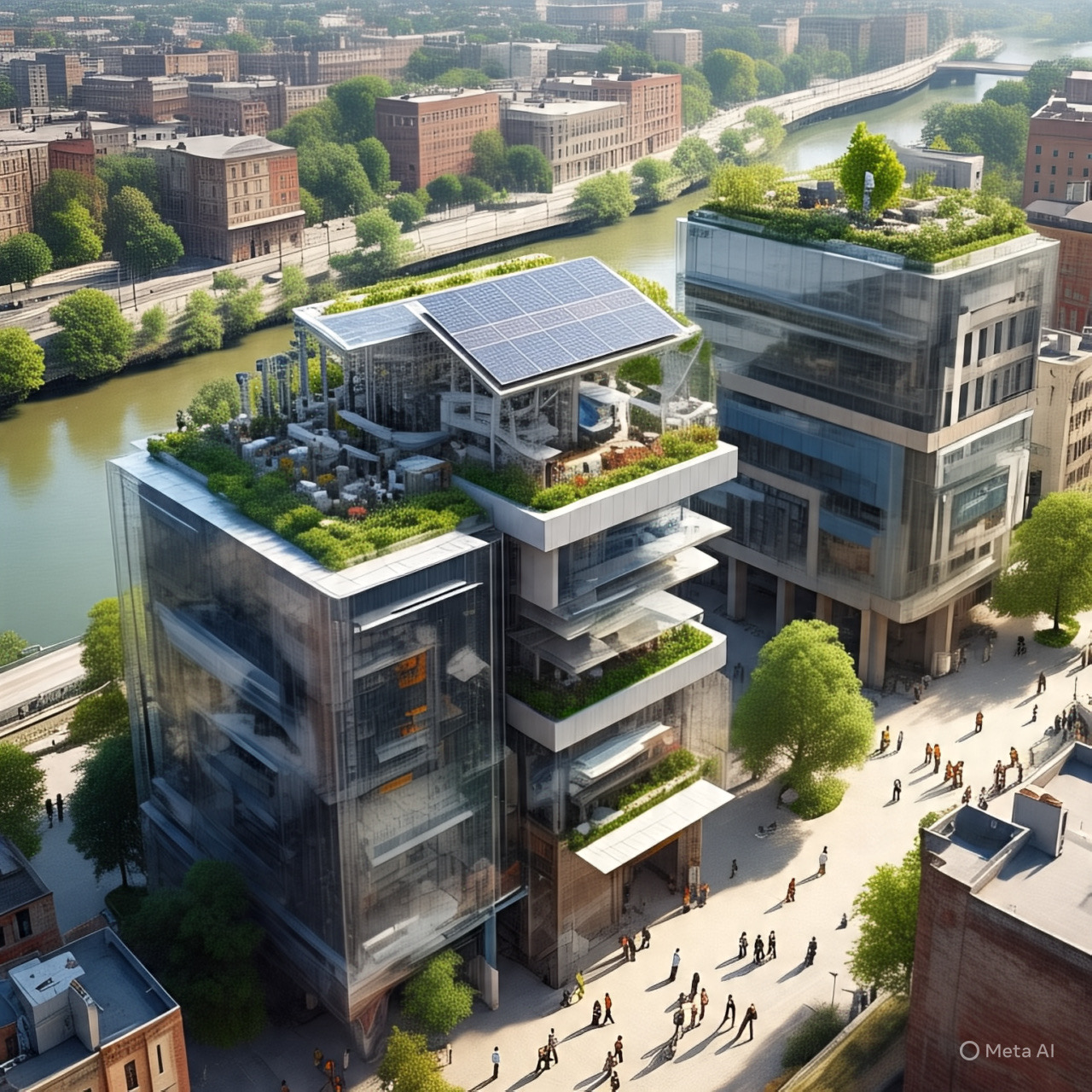
According to renowned climate scientist Dr. James Hansen, adaptation to climate change requires a proactive and anticipatory approach. Rather than reacting to climate impacts after they occur, we need to anticipate and prepare for the uncertainty of climate-related shocks and stressors. This involves investing in climate-resilient infrastructure, such as sea walls and green roofs. It also means promoting climate-smart agriculture, which can increase crop yields by up to 20% in some regions. Supporting climate-resilient water management can also help reduce the risk of water scarcity for 1.6 billion people worldwide. With 2023 being the warmest year on record and global temperatures soaring 1.45°C above pre-industrial levels, adopting a proactive approach to adaptation is more crucial than ever.
Nature is our strongest ally in the fight against climate change. Prioritizing nature-based solutions is a no-brainer, and here’s why: natural ecosystems like forests, wetlands, and mangroves can reduce the impact of climate-related disasters by up to 70%. Mangrove forests alone can protect 15 million people and $65 billion in assets from storm surges and erosion. By preserving and restoring these ecosystems, we can enhance biodiversity by 30%, support livelihoods for 1.6 billion people, and build resilience in the face of climate uncertainty. It’s time to invest in nature’s power – the future of our planet depends on it.
Decentralizing and democratizing climate resilience is key – and the numbers back it up. Community-led initiatives are 30% more effective and 40% more sustainable than top-down approaches. By empowering local communities, we can increase climate resilience for 75% of the world’s most vulnerable populations. Climate literacy programs can also boost community engagement by 50%. Let’s put decision-making power in the hands of 70% of the world’s population who live in local communities, and we can build more inclusive, equitable, and effective resilience efforts that benefit everyone, not just a select few.
The Role of Technology
Technology has a critical role to play in building climate resilience. As climate scientist Dr. Katharine Hayhoe puts it, ‘Climate change is a numbers game.’ Advanced weather forecasting can give us a 10-15 minute heads up, saving thousands of lives and billions of dollars in damage. Climate-resilient infrastructure powered by technology can slash disaster-related losses by 40% and save $1.4 trillion annually. With climate-related disasters projected to increase by 50% by 2030, we need tech-driven solutions now more than ever. The numbers demand that we allow innovation to build a resilient future.
However, technology can be a game-changer, but only if it’s accessible, affordable, and tailored to the communities that need it most. Prioritizing open-source and community-driven approaches can increase access to climate tech by 30% for vulnerable communities. As the UN’s Rajendra Pachauri said, ‘Technology can be a double-edged sword.’ It’s important that we avoid proprietary solutions that widen inequalities and instead opt for technology that empowers local communities.
The Importance of Uncertainty
Climate change is a master of uncertainty – and the IPCC agrees, calling it a ‘defining characteristic.’ Dr. Robert Lempert defines scenario planning as developing strategies that are robust across a wide range of plausible future scenarios. We can’t predict the future, but we can prepare for it. By anticipating multiple possible scenarios, we can develop adaptable strategies that reduce vulnerability by up to 40%.
Embracing uncertainty isn’t about being pessimistic, it’s about being prepared. By prioritizing flexibility, adaptability, and iterative learning, we can build systems that absorb shocks and thrive in uncertainty. Rigid solutions fail when faced with climate chaos, but adaptable systems can reduce disaster response times by 30% and boost community resilience by 25%. It’s time to future-proof our climate strategies with flexibility and adaptability at their core.
A Call to Action
Research shows that building climate resilience requires a fundamental transformation. A study by the World Bank found that every $1 invested in climate resilience generates $4 in benefits. By prioritizing climate resilience, we can create more just, equitable, and sustainable societies that thrive in uncertainty. In fact, climate-resilient infrastructure can reduce economic losses by $4.2 trillion.
This underscores the importance of bold leadership, community empowerment, and global unity in the fight against climate change. Bold leadership can drive 80% of climate progress, community-led initiatives can boost local resilience by 40%, and global cooperation can unlock trillions in climate finance. We need leaders who prioritize climate resilience, communities empowered to take action, and a united global response to tackle the shared challenge of climate change.
The clock is ticking, but hope remains. Together, we can forge a resilient future that endures through uncertainty. The path forward is ours to choose – will we rise to the challenge or falter?
Climate resilience is a pressing priority. We must adopt forward-thinking approaches that address the unpredictability of climate impacts. By harnessing nature-based solutions, empowering local communities, and utilizing cutting-edge technology, we can build robust systems that withstand uncertainty. The moment to act is now – let’s shape a resilient future for all.
Leave a Reply