

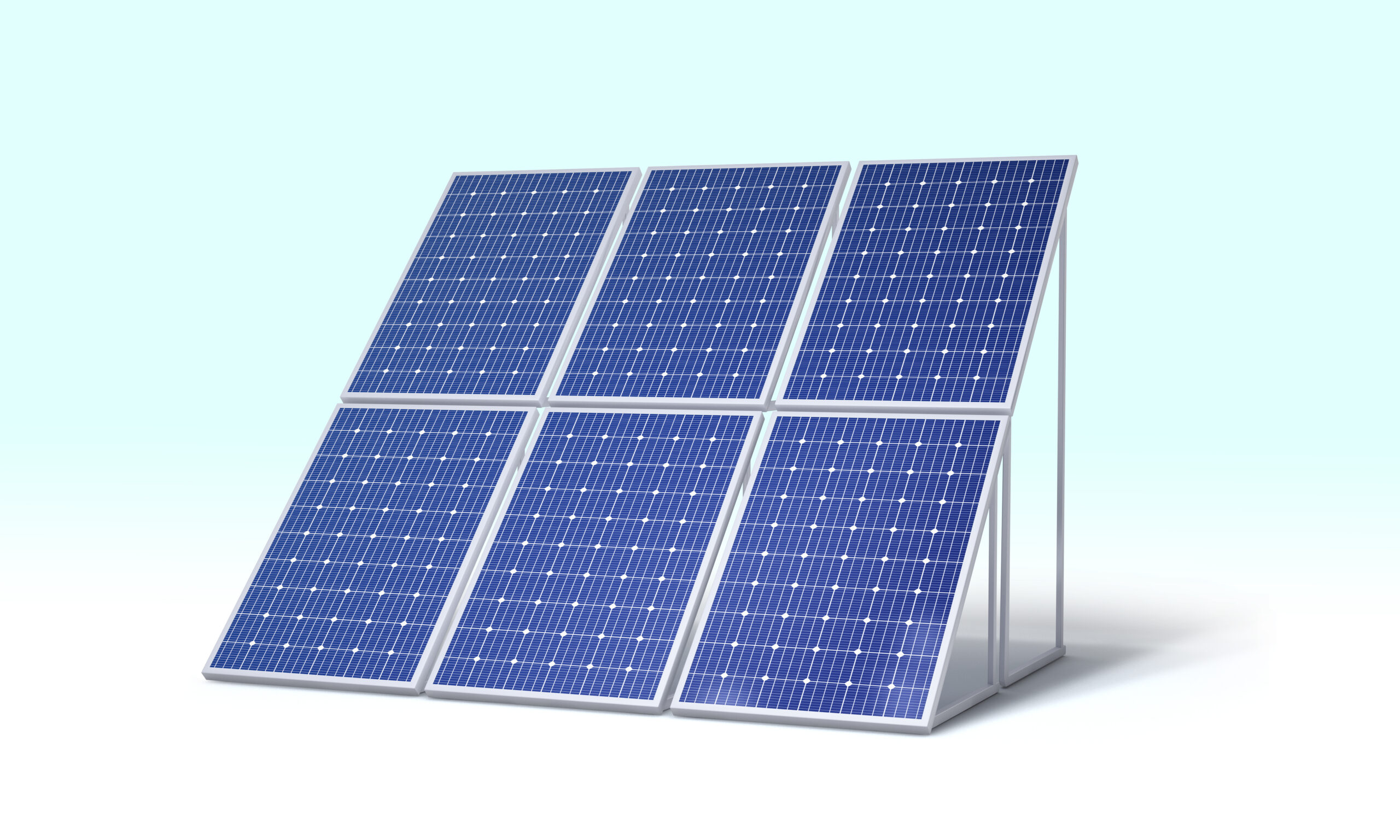
The UK’s ambitious target to reduce carbon emissions by 78% by 2035, coupled with the growing demand for renewable energy, has made solar panels an increasingly popular choice for homeowners looking to reduce their energy bills and carbon footprint, with over 1 million solar panel installations recorded in 2020 alone, generating around 13.5 GW of electricity. But a key question remains: do solar panels pay for themselves in the UK? The answer is yes, but the payback period varies depending on several factors, including installation costs, energy savings, incentives, and location, with average payback periods ranging from 8-14 years.
Solar panels, or photovoltaic (PV) systems, are a game-changer for renewable energy, converting sunlight into electricity with an average efficiency rate of 15-20%. Composed of multiple solar cells, typically made from semiconducting materials like silicon, they generate direct current (DC) electricity, which is then converted to alternating current (AC) electricity by an inverter, making it usable in homes. A typical residential solar panel system consists of 20-30 panels, each producing around 250-350 watts of power, and can generate enough electricity to power 1-5 homes, depending on the location and energy consumption. With a lifespan of up to 30 years, solar panels can provide a reliable source of clean energy, reducing reliance on fossil fuels and lowering carbon emissions.
According to Dr. Rebecca Willis, a leading expert on renewable energy, “The payback period for solar panels in the UK varies significantly depending on several factors, including installation costs, energy savings, and location.” Specifically, several factors influence how long it takes for solar panels to pay for themselves in the UK. The upfront cost of a 3-5 kW residential solar PV system in the UK ranges from £4,000 to £8,000, with some systems costing as low as £3,500 for a 2 kW system or as high as £12,000 for a 5 kW system with battery storage. The average UK household can save £300-£600 per year on electricity bills by using solar panels, although this can vary depending on energy usage and the efficiency of the system. The Smart Export Guarantee (SEG) scheme allows households to earn money by selling surplus energy back to the grid, providing an additional income stream.
Households that use more energy during daylight hours can save more, as they can utilize the electricity generated by the solar panels. Additionally, solar panels generate more electricity in southern England than in northern Scotland, due to the varying levels of sunlight throughout the country. For example, a 4 kW solar panel system in London can generate around 3,800 kWh/year, while a similar system in Edinburgh can generate around 3,200 kWh/year.
The payback period for solar panels in the UK varies depending on the location and system size. Here are some example payback periods:
| Location | Payback Period |
| London | 11 years 3 months (with a 4.2 kW system) |
| Cardiff | 10 years 11 months (with a 4.35 kW system) |
| Belfast | 11 years 11 months (with a 3.9 kW system) |
| Edinburgh | 12 years 2 months (with a 3.8 kW system) |
Solar panels offer numerous benefits, making them an attractive investment for UK homeowners. Not only can they significantly reduce your electricity bills, with average savings of £300-£600 per year, but they can also increase your property’s value, with some studies suggesting a potential increase of up to 14%. Additionally, solar panels provide substantial environmental benefits, reducing carbon emissions and contributing to a cleaner environment, with a typical 4 kW system saving around 1.5 tons of CO2 per year. Furthermore, solar panels require minimal maintenance and have a lifespan of up to 30 years, providing a reliable source of clean energy and a potential return on investment of 8-14 years, depending on the system and location. Overall, solar panels are a sound investment for those looking to reduce their energy bills, increase their property’s value, and contribute to a sustainable future.
According to Dr. Elena Chase, a renewable energy expert at the University of London, “The costs and incentives associated with solar panels are crucial factors to consider when evaluating their viability as a clean energy solution.” The upfront installation costs of a 3-5 kW solar panel system in the UK range from £4,000 to £8,000, although prices can vary depending on the quality and brand of the equipment, with some high-efficiency systems costing up to £10,000 or more.
Nonetheless, households can benefit from the Smart Export Guarantee (SEG) scheme, which allows them to earn money by selling surplus energy back to the grid, with tariffs ranging from 3-7 p/kWh. Furthermore, the UK government has reduced VAT on solar panel installations to 0% until March 2024, reducing the upfront cost. Furthermore, households may also be eligible for other incentives, such as the Renewable Heat Incentive (RHI) scheme, which provides quarterly payments for the heat generated by solar thermal systems.
Overall, these incentives can help reduce the payback period and increase the return on investment for solar panel systems, making them a more attractive option for UK homeowners.
Solar panels can be a savvy investment for UK homeowners, paying for themselves within 8-14 years, says industry expert, John Andrews. With the right conditions, such as high energy usage during daylight hours and optimal location, the payback period can be shorter, typically between 6-10 years in southern England.
While the upfront cost can be significant, incentives like the SEG scheme, which allows households to earn money by selling surplus energy back to the grid, and reduced VAT, currently 0% until March 2024, make solar panels more affordable. As the UK continues to push for renewable energy, solar panels o are likely to become an increasingly popular choice for homeowners, with over 1 million installations recorded in 2020 alone. With their potential to reduce energy bills by £300-£600 per year and carbon emissions by 1.5 tons per year, solar panels are a viable option for those looking to make a positive impact on the environment and their wallet, providing a reliable source of clean energy for up to 30 years.
.
Leave a Reply